Fence colour has a bigger impact on how a garden feels than most people realise. The right colour recedes into the planting and makes the space feel larger; the wrong choice creates a harsh backdrop that distracts from everything in front of it. Here is what we are seeing working well in Surrey gardens in 2026.
1. Charcoal and near-black
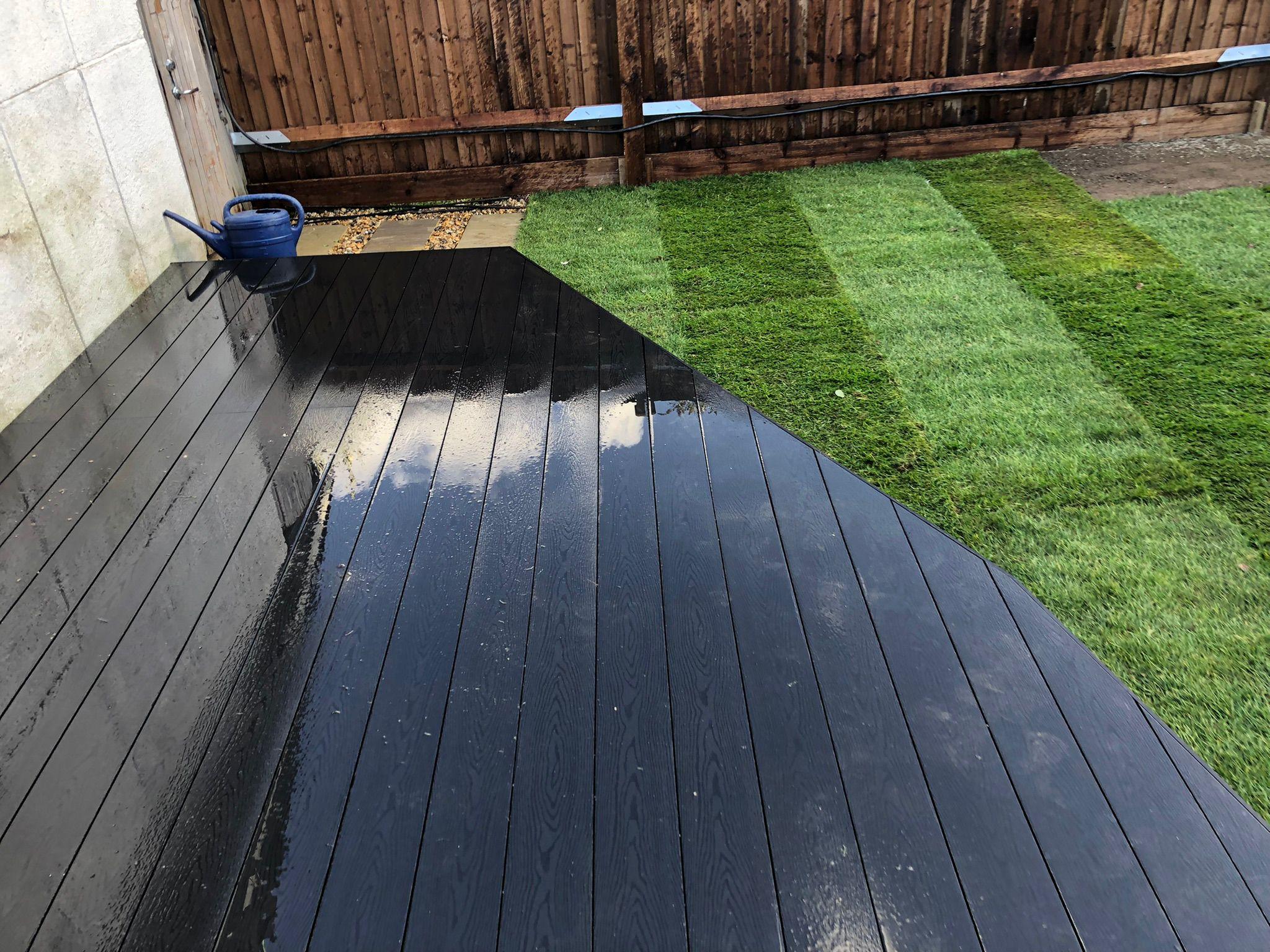
Charcoal and near-black fence stains have dominated new installs for the last three years and show no sign of fading. Colours like Cuprinol Black Ash, Ronseal Charcoal Grey or Sadolin Ebony draw the eye away from the boundary, making the fence almost disappear and bringing green planting into sharp relief. Against a dark background, any planting looks vivid.
This works best in gardens with reasonable planting depth in front of the fence, if it is sparse, a dark fence can feel oppressive. It also suits modern or minimalist garden styles much better than traditional cottage gardens.
2. Sage green
Soft sage and muted green tones, think Farrow and Ball Mizzle, Cuprinol Sage or the various grey-greens from the major brands, sit beautifully in a planted garden because they echo the natural palette. Rather than creating a backdrop that contrasts with the garden, sage tones blend with it.
This is an excellent choice for gardens with a more traditional or naturalistic planting style: mixed borders, roses, cottage-garden planting. It bridges the fence into the landscape rather than isolating it as a structural element.
3. Deep navy
Deep navy is growing as an alternative to black for those who want a dark fence but with slightly more character. Navy blues read as sophisticated and slightly unexpected in a garden context. They work particularly well with warm-toned planting, oranges, yellows, burnt reds, where the contrast creates a strong visual statement.
Fence stains look significantly different on a large run compared to a small tin. Always stain a test board and view it in the actual position at different times of day before committing to a full fence. What looks rich and warm in sunshine can look flat and cold on a north-facing fence in shade.
4. Warm neutrals and stone tones
Not every garden suits a dark fence. For lighter, airier spaces, particularly south-facing gardens where a dark backdrop would absorb heat and feel heavy, warm stone tones, soft greiges and pale clay colours are having a moment. They brighten the boundary without the harshness of a traditional brown stain.
5. Colours that are fading
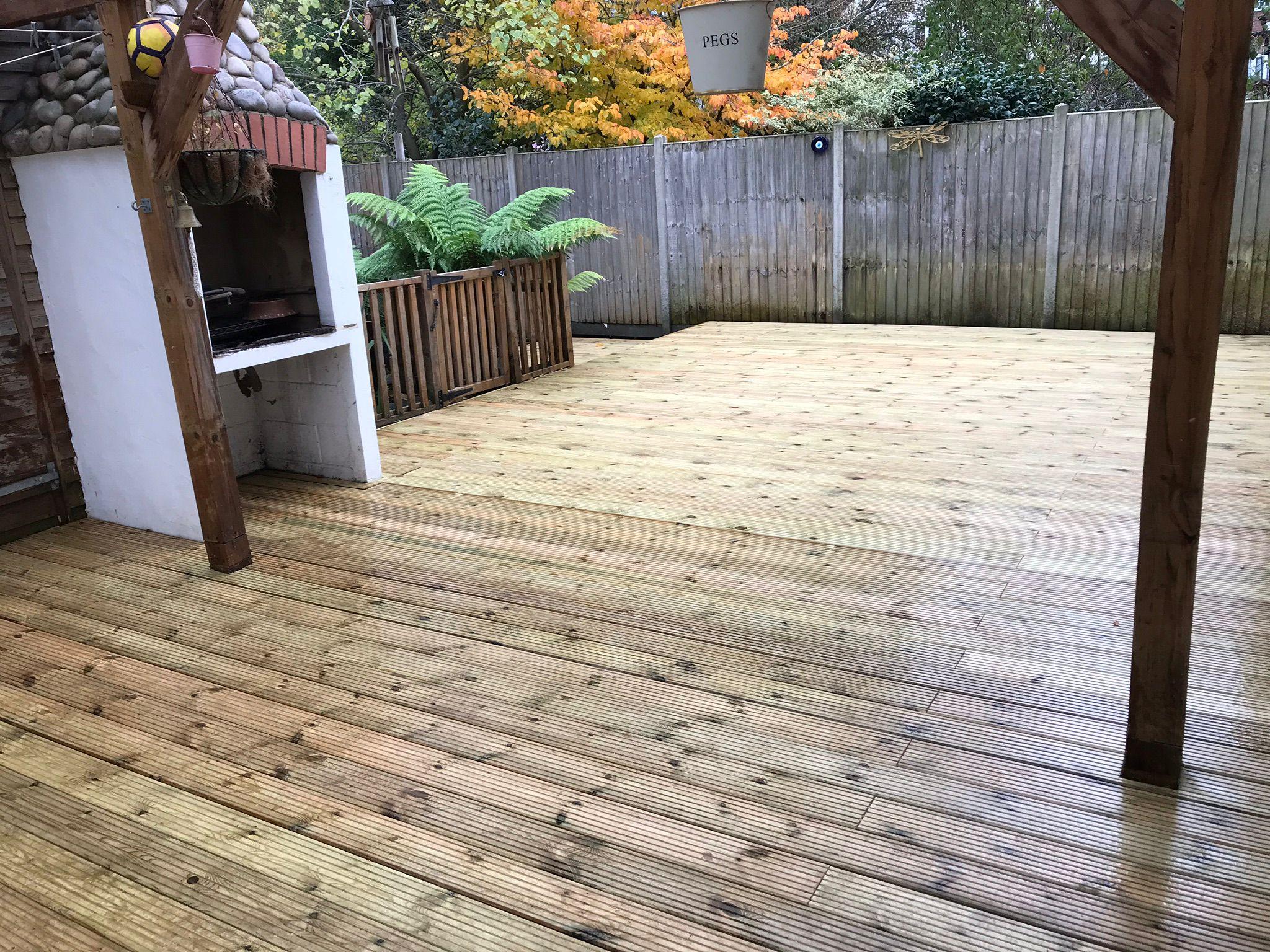
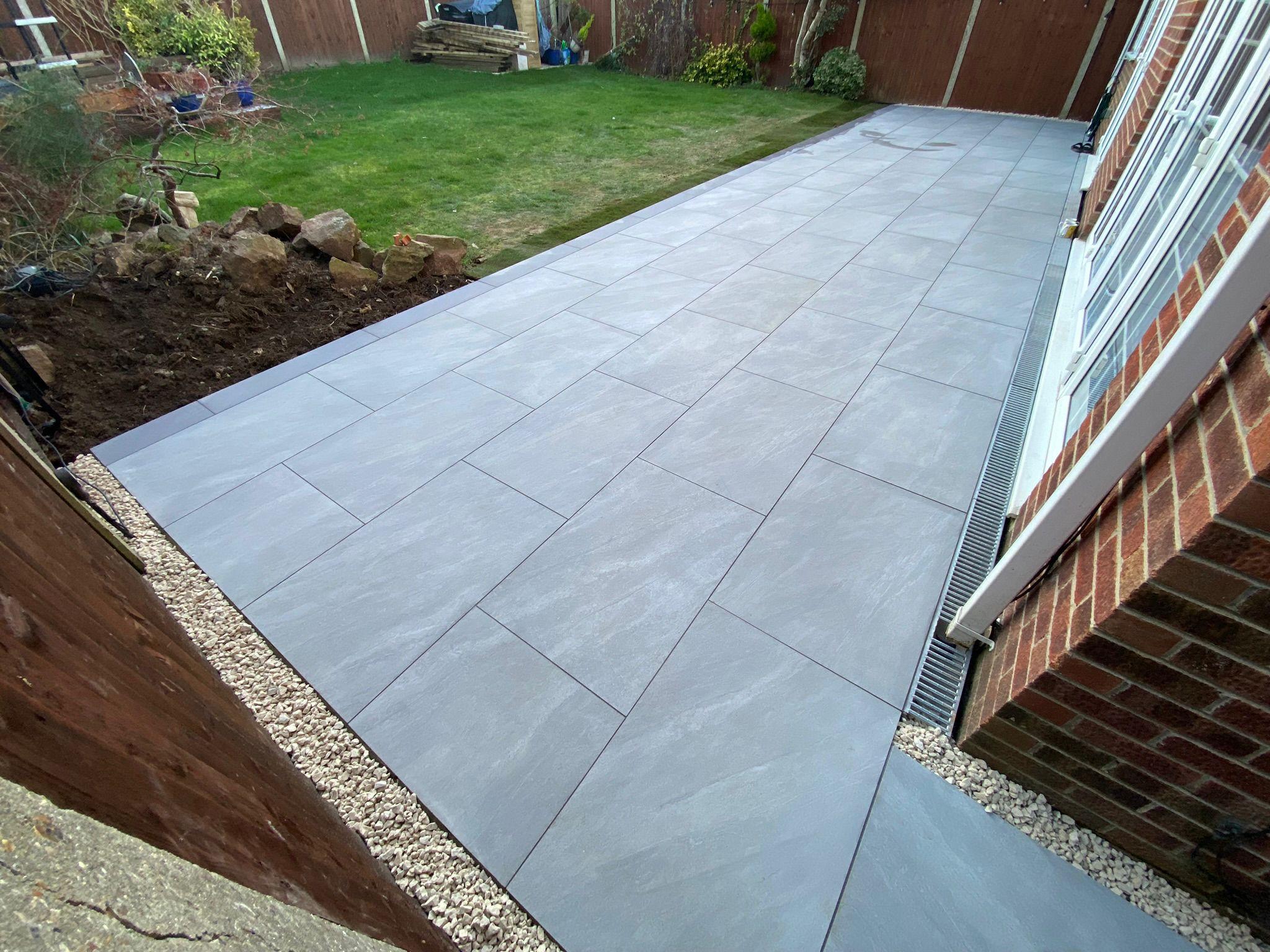
The traditional orange-brown fence stains that were ubiquitous in UK gardens through the 1990s and 2000s are now widely considered dated. They tend to clash with both modern garden surfaces (grey porcelain, grey composite decking) and contemporary planting. If your fence currently has this finish, repainting it in any of the above tones will immediately update the feel of the space.
- Orange-brown traditional stains, feels dated against modern landscaping
- Bright/vivid green, clashes rather than blends
- Bright white, shows dirt quickly outdoors, very high maintenance
6. Practical advice
Fence stains and paints need reapplying every 2 to 3 years on new timber, less frequently on older weathered timber that has already been stained several times. Close board fencing takes stain particularly well because the individual boards can be sprayed or rolled without complex masking. Pressure washing first always gives a better result, stain applied over algae or dirt will peel prematurely.
We quote fence staining alongside new installations. As a standalone job, expect to pay £150 to £400 for an average rear garden fence run of 20 to 30 metres, including materials. Many homeowners prefer to do this themselves, it is not a difficult job with the right tools.